Roof Access and Safety: What Homeowners Should Know
Checking a leaking roof or clearing blocked gutters can seem straightforward, but roof access carries serious risks. On the Sunshine Coast, heavy rain, strong sun, coastal corrosion and slippery growth can make roofs and ladders particularly hazardous. The safest approach is to inspect from the ground and leave roof access to suitably trained professionals.

Why Roof Access Requires Care
A roof does not need to be steep or high to cause a serious fall. Wet tiles, loose metal sheets, brittle skylights and concealed deterioration can all create hazards. Even a roof that looks sound from below may contain fragile areas that cannot support https://augustkjig082.northcrestbrief.com/posts/roof-insulation-vs-ventilation-why-your-home-needs-both a person’s weight.
Sunshine Coast conditions add other concerns. Salt exposure can accelerate corrosion of metal components, while shaded sections may develop algae that becomes slippery when damp. Summer heat also increases the risk of dehydration and heat-related illness.
Start With a Ground-Level Inspection
You can identify many warning signs without climbing. Use binoculars or your phone’s zoom from a safe position, and check inside your home for signs of water entry.
- Look for displaced tiles, lifted roofing sheets, sagging gutters and visible storm damage.
- Check ceilings for water stains, peeling paint or new patches of mould.
- Watch for gutters overflowing during rain from a sheltered, ground-level location.
- Arrange an inspection if you notice loose flashing, unusual roof movement or recurring leaks.
Do not climb onto a roof to confirm a suspected problem. A professional can assess whether ladder access, scaffolding, an elevated work platform or another method is appropriate.
Ladders and Fall Protection
A Ladder Is Not a Complete Safety System
Ladders can slip, tip or move unexpectedly, especially on wet paving, soft ground or uneven garden beds. Avoid makeshift supports, overreaching and carrying tools while climbing. Never position a ladder near overhead electrical lines or where doors, vehicles or pedestrians could strike it.
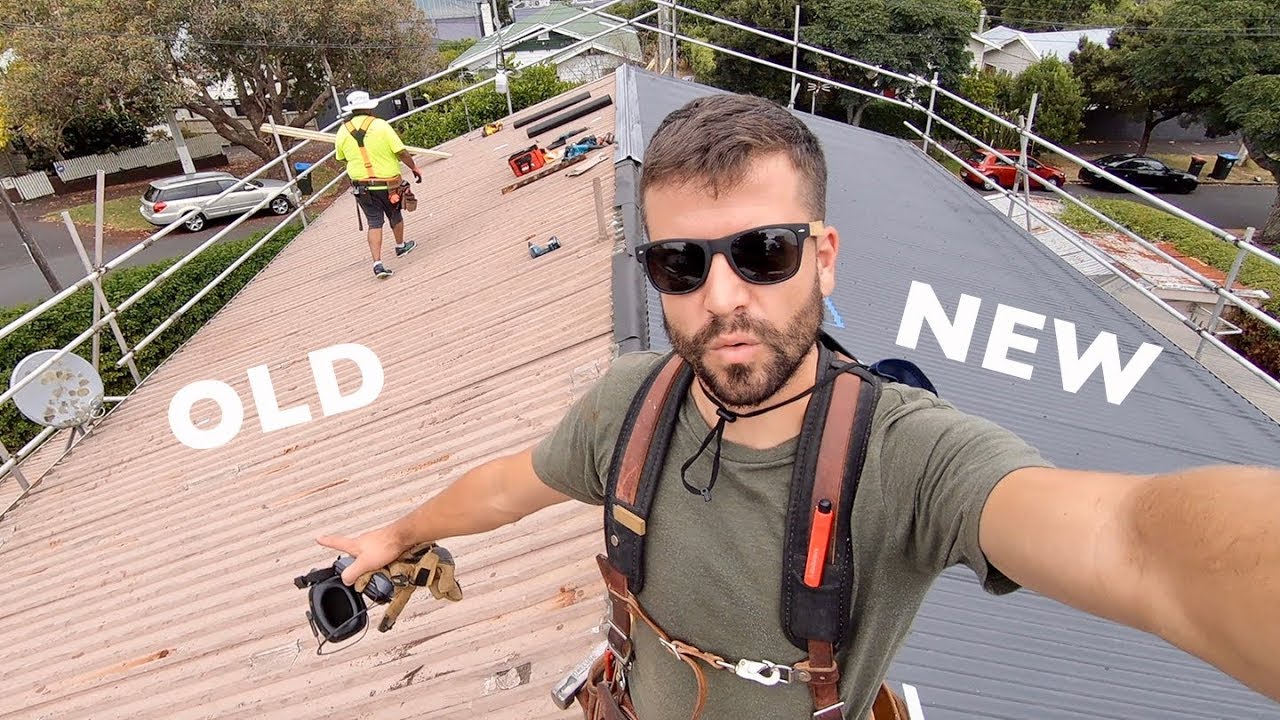

If you use a ladder for a suitable low-risk task, follow its manufacturer’s instructions, inspect it first and maintain three points of contact while climbing. Do not use a ladder as a shortcut onto the roof.
Harnesses Require More Than Equipment
A harness alone does not make roof work safe. A fall-arrest system needs suitable anchors, compatible equipment, sufficient clearance, competent users and a rescue plan. Gutters, plumbing vents and unverified roof fittings are not suitable substitutes for engineered anchor points.
Queensland Safety Requirements
In 2026, businesses carrying out roof work on the Sunshine Coast must manage fall risks under Queensland work health and safety requirements. Construction work involving a risk of falling more than two metres is classed as high-risk construction work and requires a safe work method statement. This does not mean work below two metres is automatically safe or exempt from risk controls.
Before engaging a contractor, ask how they will access the roof and prevent falls. Check that they hold any Queensland Building and Construction Commission licence required for the work and have appropriate insurance. WorkSafe Queensland and the QBCC provide guidance for checking safety obligations and licensing.
Special Hazards Around Sunshine Coast Roofs
Older homes may have asbestos-containing roofing or other materials. Do not drill, cut, pressure-clean or disturb suspected asbestos. Arrange assessment and, where required, removal by a licensed asbestos professional.
Solar panels introduce electrical hazards, and panels can generate electricity in daylight even when parts of the system are switched off. Keep clear of damaged panels, exposed cables and electrical equipment, and arrange assessment by an appropriately licensed electrical contractor.
After storms, stay away from damaged roof sections and fallen powerlines. If there is immediate danger, call emergency services on 000.
Plan Maintenance Before Problems Escalate
Schedule professional roof and gutter checks according to your roof’s condition, nearby trees and exposure to coastal weather. Before the appointment, secure pets, clear ground-level access and tell the contractor about solar panels, suspected asbestos or previous repairs. Regular maintenance helps identify deterioration early without putting you at unnecessary risk.
Sunshine Coast Roof Restoration & Repair
Unit 8/13 Newspaper Pl, Maroochydore QLD 4558
(07) 4145 4576